

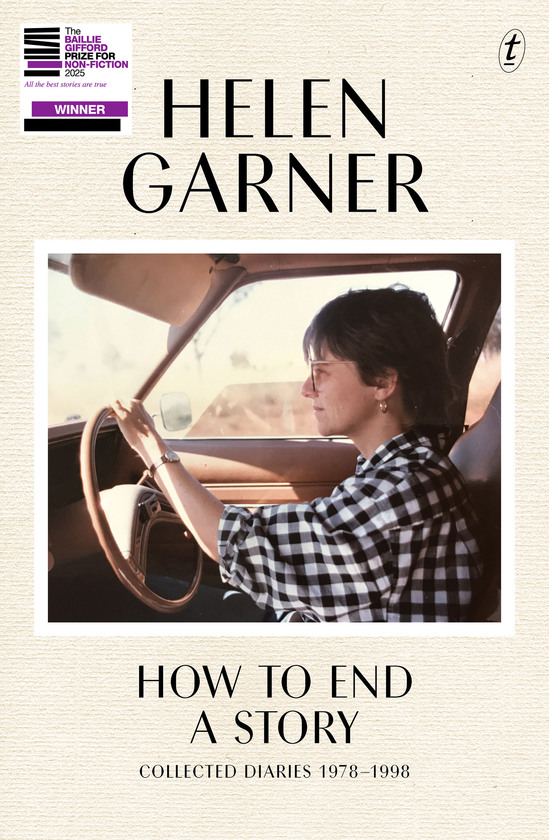
How to End a Story: Collected Diaries 1978–1998
Helen Garner


Helen Garner’s acclaimed three volumes of diaries are collected here in one sumptuous book. Spanning two decades—from the publication of her lightning-rod debut novel in the late 70s, to the throes of a consuming affair in the late 80s, and the messiness and pain of a disintegrating marriage in the late 90s—the diaries reveal the life of one of the world’s greatest writers.
Devastatingly honest and disarmingly funny, How to End a Story is a portrait of loss, betrayal, and the sheer force of a woman’s anger—but also of hard work and resilience, moments of hope and joy, the immutable ties of motherhood, and the regenerative power of a room of one’s own.
INTERVIEWS and REVIEWS
Guardian
London Review of Books
Observer: The Observer’s books of the year 2025
Spectrum Culture
Washington Independent Review of Books
Baillie Gifford Prize
ABC News
Age
Bookseller (UK)
Financial Times Weekend (UK) ($)
Guardian
Guardian: ‘I’m never surprised when I read about a woman murdering a man’: Helen Garner on her Baillie Gifford prize-winning diaries
LitHub
Monocle Radio


andHow to End a Story
‘The real value of this collection is the opportunity it affords us to see the domestic, ordinary, everyday world through Garner’s eyes.’
‘This diary begins by registering what is ordinary, how days are, what it is like to be a writer, a daughter, a mother, a lover, a citizen of Melbourne.’
‘I revere Helen Garner’s writing, and it’s in her diaries that she’s at her acute, rigorous, pitch-perfect best.’
‘What a wonderful writer. Her prose is spare and beautiful…There are very few writers that I admire more.’
‘A voice of great honesty and energy.’
‘Garner has an ideal voice to express late-night pangs of precariousness and distress, some more comic than others. Her prose is clear, honest, and economical.’
‘Garner’s honesty and her refusal to take things at face value, even when she cannot see what’s right before her eyes, give her work enormous power…Even if you already know her work, I think you’ll devour the diaries.’
‘Very well might be the finest literary diaries since Virginia Woolf’s…Told with devastating honestly, steel-sharp wit and an ecstatic attention to the details of everyday life, How to End a Story offers all the satisfactions of a novel alongside the enthralling intimacy of something written in private and just for pleasure.’
‘These three volumes of Garner’s diaries, which span from 1978 to 1998, shows the Australian writer grappling with the vicissitudes of daily life: aging, big loves, creative and professional elations and frustrations, housekeeping, literary world rivalries, everyday fashion, thorny friendships, and making art. She thinks better than almost anyone.’
‘A devastating and engrossing portrait of passion, artistic conundrums, motherhood, rage, resignation… leaves you drunk with awe.’
‘Every single page contains a passage of such distilled acuity and brilliance, it leaves you half drunk with exhilaration … These are the greatest, richest journals by a writer since Virginia Woolf’s.’
‘The great Australian writer’s masterpiece … As propulsive and thrilling as any domestic noir.’
‘With sharp eyes and ears, Garner is a recording angel at life’s secular apocalypses.’
‘Entrancing. I will return to these diaries for the rest of my days.’
‘If you’ve yet to convince anyone in your life of Garner’s unique genius, here’s their Christmas present sorted.’
‘A privilege to read.’
‘A vital, warts-and-all portrait of a truly great writer at work and one of the most engaging, heartfelt depictions of marital collapse ever committed to print.’
‘By turns dazzling, poignant and very, very funny.’
‘One of the world’s greatest writers.’
‘Feels urgent on every page.’
‘Have any writer’s journals since Virginia Woolf’s felt so vital?’
‘An extraordinary work.’
‘Compulsive reading.’
‘Raw, incisive and, as she puts it, “bareknuckle”. I can’t wait to pour over them with a fellow reader.’
‘An intimate set of reflections on writing, love, friendship, ethics, landscape and the torments of a failing marriage.’
‘Flinty brilliance.’
 The Mushroom Tapes$36.99
 The Season$34.99
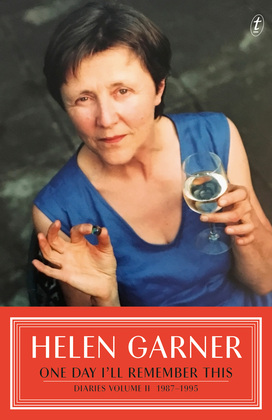 One Day I’ll Remember This$24.99
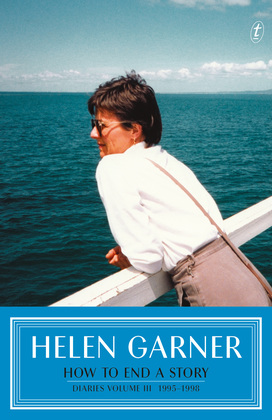 How to End a Story$24.99
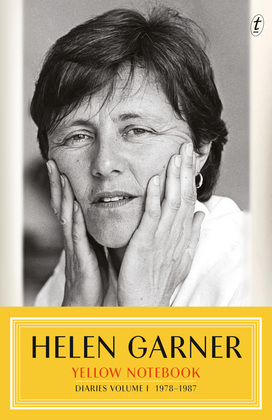 Yellow Notebook$24.99
 Stories$19.99
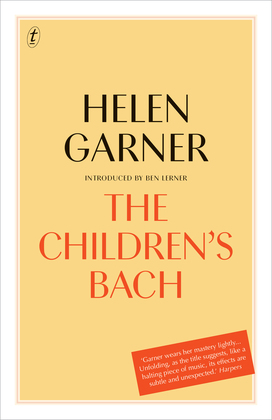 The Children’s Bach$19.99
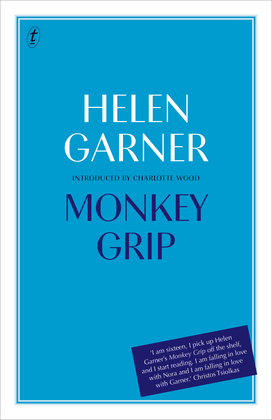 Monkey Grip$22.99
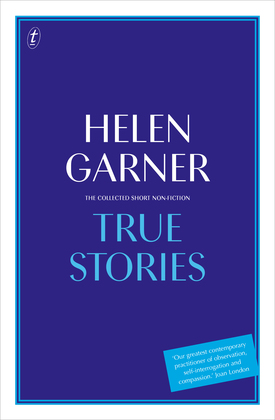 True Stories$29.99
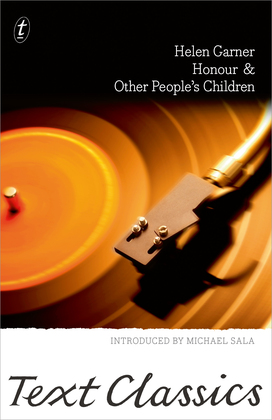 Honour & Other People’s Children$14.95
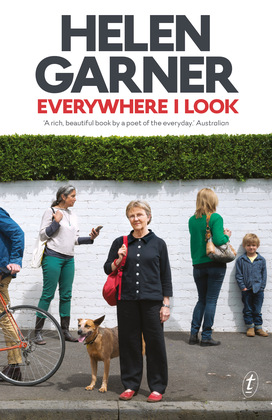 Everywhere I Look$23.99
 The Last Days of Chez Nous & Two Friends$14.95
 This House of Grief$23.99
 Cosmo Cosmolino$14.95
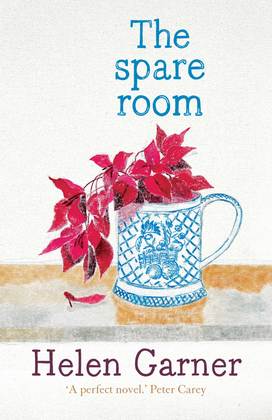 The Spare Room$23.95
